


Blog
Dental Health in Dogs and Cats

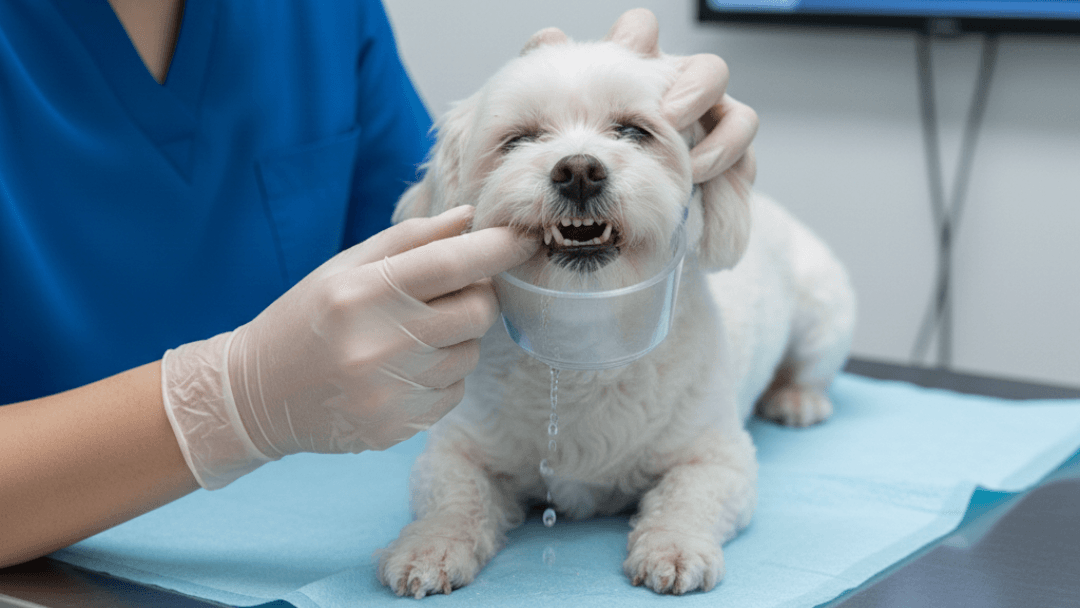
Dental Health in Dogs and Cats: A Simple Guide for Pet Owners
*Healthy mouths support healthier, happier pets*
When we think about our pets’ health, teeth and gums are often overlooked. However, dental health is a very important part of your dog or cat’s overall well-being. Dental problems are among the most common health issues seen in pets—and many start quietly, without obvious signs.
This simple guide explains why dental health matters, signs of dental problems, and how pet owners can support good oral health at home.
Why Dental Health Is Important?
Your pet’s mouth is the gateway to their body. When teeth and gums are unhealthy, bacteria can build up and cause problems not just in the mouth, but throughout the body.
Poor dental health can lead to:
- Bad breath
- Painful gums and loose teeth
- Difficulty eating
- Infections that may affect the heart, liver, or kidneys over time
From a veterinary perspective, most adult dogs and cats show signs of dental disease by the age of three.
What Causes Dental Problems in Pets?
Dental disease usually begins with **plaque**, a soft layer of bacteria that forms on teeth. If not removed, plaque hardens into **tartar**, which irritates the gums and leads to gum disease.
Common contributing factors include:
- Lack of regular dental care
- Soft food sticking to teeth
- Small or crowded teeth (common in small-breed dogs)
- Age
Common Signs of Dental Disease
Pet owners may notice:
- Bad breath
- Red, swollen, or bleeding gums
- Yellow or brown tartar on teeth
- Dropping food or chewing on one side
- Pawing at the mouth
- Reduced appetite or changes in behaviour
Cats, in particular, are very good at hiding dental pain, so changes may be subtle.
How Pet Owners Can Support Dental Health?
- Regular Dental Checks
Have your pet’s mouth checked during routine veterinary visits. Early dental problems are much easier to manage.
- Tooth Brushing
Daily or regular brushing with **pet-safe toothpaste** is one of the most effective ways to reduce plaque.
- Dental Diets and Chews
Special dental foods, chews, or toys can help reduce plaque buildup. Always choose products suitable for your pet’s size and chewing habits.
- Support Overall Health
Good nutrition, a healthy immune system, and reduced inflammation all play a role in maintaining healthy gums and teeth.
When to See Your Veterinarian?
Please consult your veterinarian if your pet shows:
- Persistent bad breath
- Visible tartar buildup
- Bleeding gums
- Difficulty eating
- Signs of mouth pain
Professional dental assessment and cleaning may be needed to restore comfort and prevent further disease.
A Final Note for Pet Owners
Dental disease is common—but it is also preventable. With regular care, early checks, and the right daily support, you can greatly improve your pet’s comfort and quality of life.
Healthy teeth support a healthier body and a happier pet.