
Foreign Body Obstruction in Dogs and Cats

What It Is, How to Spot It, and What You Can Do
What Is a Foreign Body Obstruction?
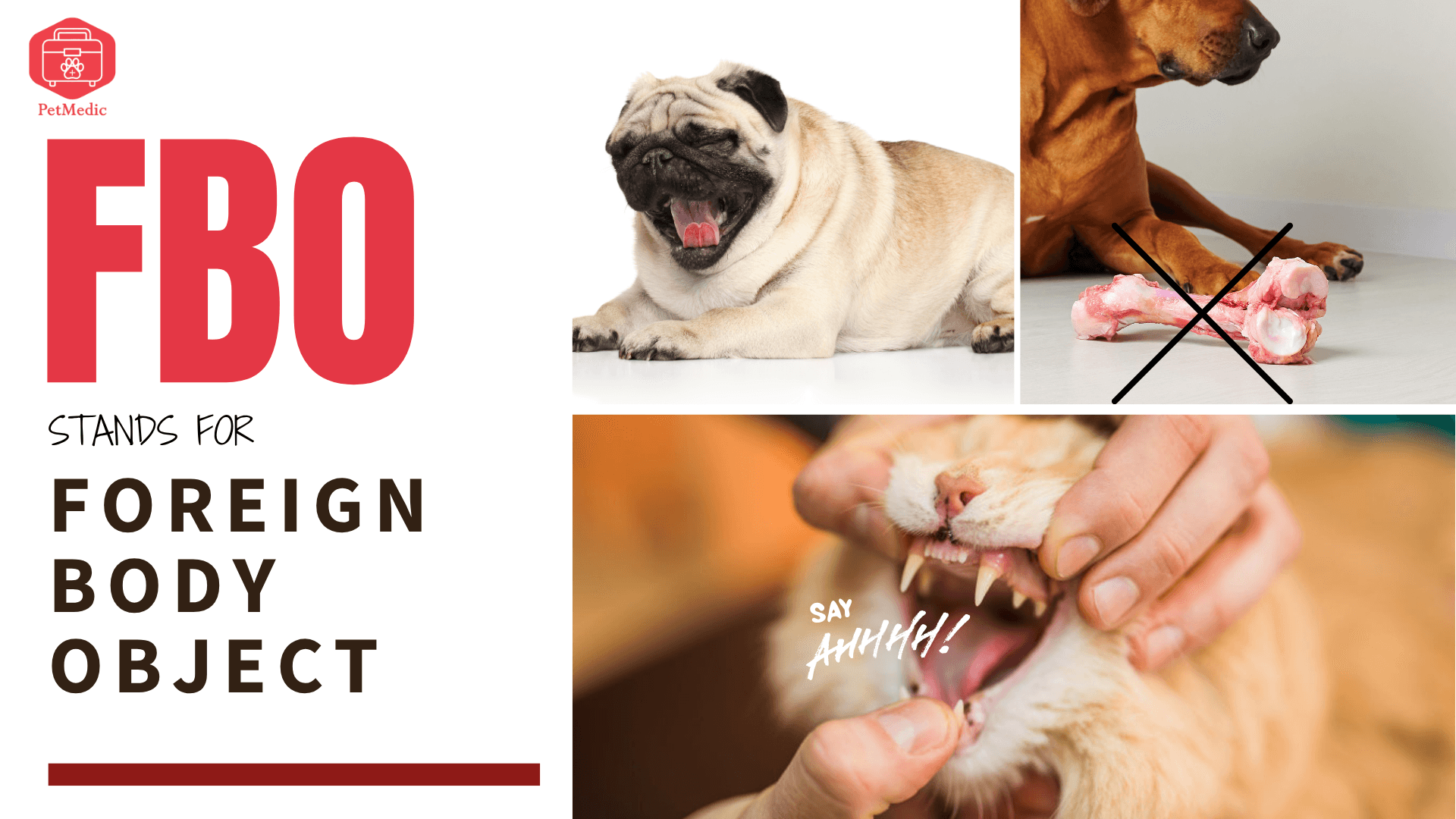
A foreign body obstruction happens when a pet swallows something they shouldn’t—like a toy, string, sock, or bone—and it gets stuck in their stomach or intestines. This can block food and water from passing through and may cause serious health problems.
Common Items Pets Swallow
- Dogs: socks, underwear, bones, toys, corn cobs, rocks, tampons
- Cats: string, yarn, tinsel, hair ties, sewing needles, rubber bands
These items can cause a blockage or even tear the intestines, especially string-like objects in cats.
Signs to Watch For
If your pet has swallowed something dangerous, you might notice:
- Vomiting
- Loss of appetite
- Tiredness or weakness
- Belly pain or bloating
- Straining to poop or not pooping at all
- Restlessness or unusual behavior
Call your vet right away if your pet shows any of these signs.
How Vets Find the Problem
To figure out if there’s a blockage, your vet may:
- Take X-rays or an ultrasound
- Run blood tests
- Use a scope (camera) to look inside your pet’s stomach
How It’s Treated
Treatment depends on the object and how sick your pet is.
1. Letting It Pass Naturally
If the item is small and not sharp, your vet may monitor your pet to see if it passes on its own—with fluids and rest.
2. Removing It with a Camera
Sometimes a vet can remove it using a camera (endoscope) through the mouth.
3. Surgery
If the object is stuck or causing damage, your pet may need surgery to remove it. Most pets recover well after surgery if treated quickly.
How to Prevent It
- Keep small or dangerous items out of reach.
- Don’t let pets chew on bones, string, or garbage.
- Give your pet safe, vet-approved toys.
- Watch for signs of boredom or stress—these can cause pets to chew or eat odd things.
When to Call the Vet
Don’t wait—if you think your dog or cat has swallowed something they shouldn’t have, contact your vet immediately. The sooner we treat it, the better the outcome.