

Heatstroke: What Every Dog Owner in a Hot Climate Should Know

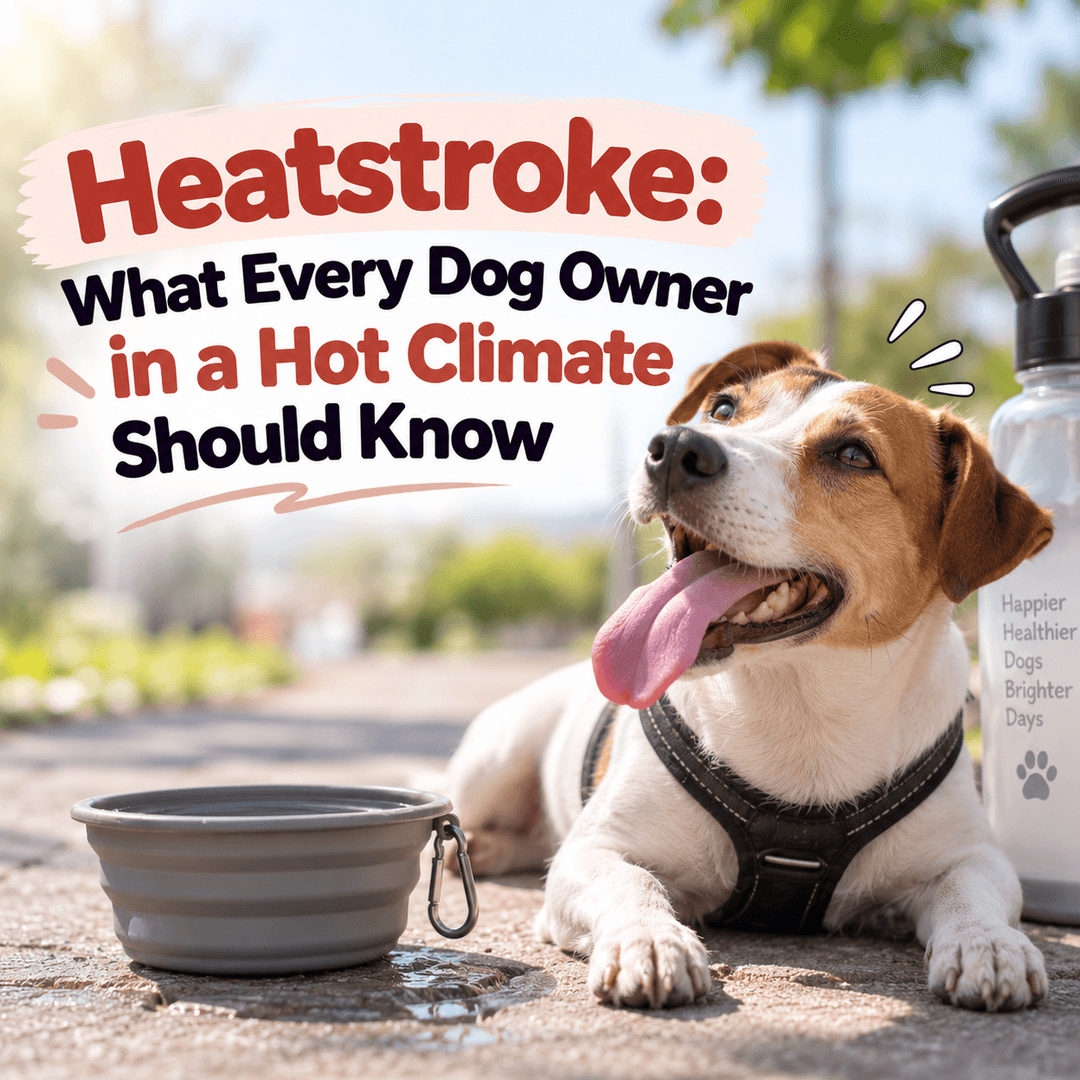
Dogs don’t cool themselves the same way humans do.
Panting plays a major role in dissipating heat, and under hot or humid conditions that cooling system can become overwhelmed.
Heatstroke is an emergency.
What should owners look for?
Warning signs can include:
- Excessive or rapid panting
- Heavy drooling
- Abnormal gum colour
- Weakness
- Lethargy
- Vomiting or diarrhoea
- Disorientation
- Collapse
- Seizures
Severe hyperthermia can lead to multiple-organ injury and death.
Which dogs need extra care?
Any dog can overheat, but risk increases with environmental heat, poor ventilation and strenuous exercise.
Never leave a dog in a parked vehicle.
And don’t assume that because a dog enthusiastically wants to continue playing, their body can safely handle the heat.
What should you do if you suspect heatstroke?
Move the dog away from the heat immediately.
Begin cooling with cool—not ice-cold—water and seek veterinary treatment urgently. VCA specifically advises against ice or ice water because excessively rapid cooling can cause additional problems.
Don’t wait for the dog to “see if they recover.”
Prevention is easier than treatment
Exercise during cooler parts of the day, provide shade and unrestricted access to drinking water, and reduce activity when weather conditions are hot and humid.
In Malaysia and other tropical climates, heat awareness should be part of everyday pet care—not something owners think about only during a heatwave.
What We Often See in Practice?
One dangerous misconception is:
“We weren’t outside for very long.”
Heat injury isn’t determined by time alone. Temperature, humidity, exercise intensity, ventilation and the individual dog’s ability to dissipate heat all matter.
One Thing Every Pet Owner Should Remember
If you think your dog may be overheating, act early. With heatstroke, waiting for more obvious signs can mean waiting too long.