

Stress in Cats

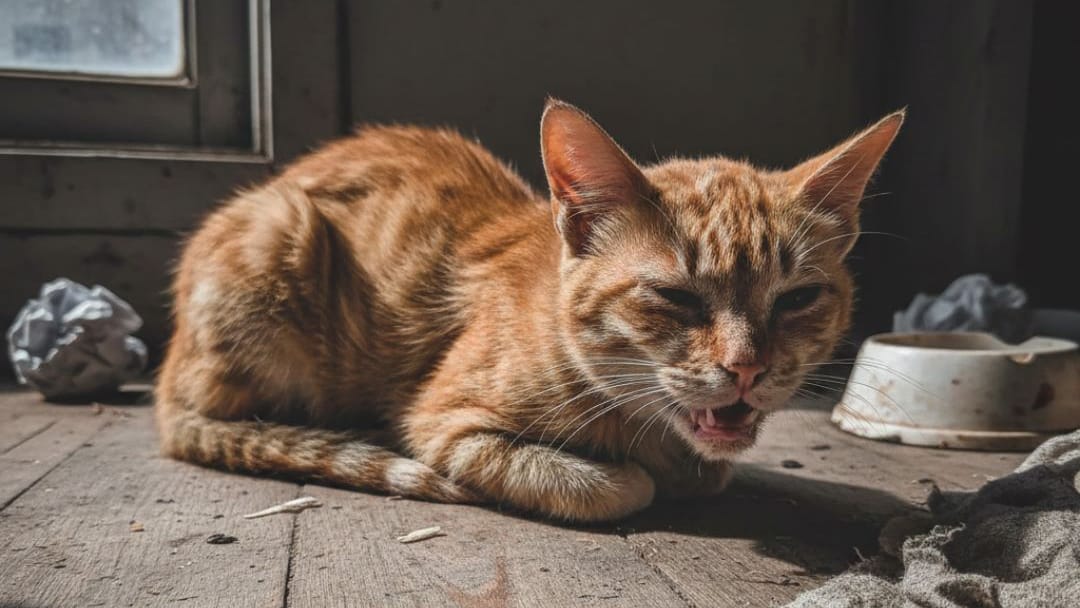
A Quick Fact Sheet for Pet Owners
Cats are sensitive creatures that thrive on routine and familiarity. Even small changes in their environment can cause stress. Chronic stress can affect not only a cat’s behaviour, but also their physical health.
What is Stress in Cats?
Stress occurs when a cat feels threatened, overwhelmed, or unable to cope with changes around them.
Unlike dogs, cats often show stress in subtle ways, which means it can go unnoticed until it starts affecting their health.
Common Causes of Stress in Cats
Cats may become stressed due to:
- Changes in routine or environment (moving house, renovations)
- New pets or people in the home
- Loud noises (fireworks, thunderstorms)
- Conflict with other cats
- Boredom or lack of stimulation
- Changes in litter box, food, or feeding schedule
- Veterinary visits or boarding
Signs of Stress in Cats
Behavioural Signs
- Hiding more than usual
- Reduced interaction or withdrawal
- Aggression or irritability
- Excessive grooming or hair loss
- Changes in sleeping patterns
Physical Signs
- Reduced or increased appetite
- Vomiting or diarrhoea
- Urinating outside the litter box
- Increased risk of urinary problems
- Lowered immunity or frequent illness
Stress can worsen conditions such as feline lower urinary tract disease (FLUTD) and digestive issues.
Why Managing Stress is Important
Long-term stress can lead to:
- Behavioural problems
- Weakened immune system
- Urinary tract issues
- Poor overall quality of life
From a veterinary perspective, reducing stress is an important part of preventive healthcare for cats.
How Pet Owners Can Help Reduce Stress
- Maintain a Consistent Routine
Feed, play, and interact with your cat at regular times each day.
- Provide Safe Spaces
Cats need quiet areas where they can retreat and feel secure.
- Enrich Their Environment
Provide scratching posts, toys, climbing areas, and interactive play.
- Manage Multi-Cat Homes Carefully
Ensure enough litter boxes, food bowls, and resting areas for each cat.
- Minimise Sudden Changes
Introduce changes gradually whenever possible.
When to See a Veterinarian
Consult your veterinarian if your cat:
- Stops eating for more than 24 hours
- Urinates outside the litter box suddenly
- Shows ongoing behavioural changes
- Appears unwell or in pain
Your veterinarian can help rule out medical causes and guide stress management strategies.
Key Takeaway for Pet Owners
Stress in cats is common, but it is not something to ignore. Understanding your cat’s behaviour and creating a calm, predictable environment can greatly improve their well-being.
*A relaxed cat is a healthier, happier cat.*