

Understanding Pancreatitis in Dogs: A Veterinarian’s Perspective

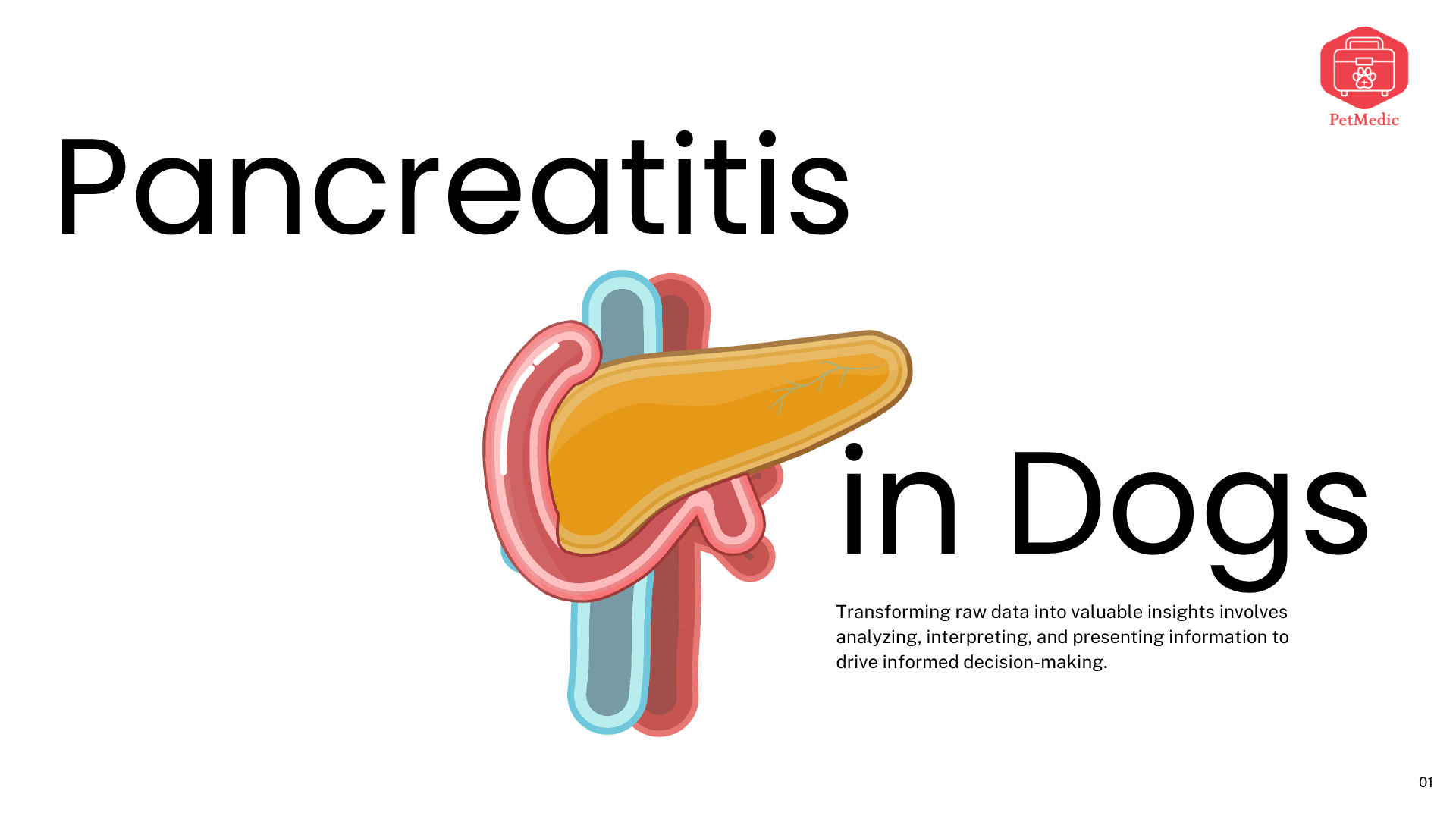
Pancreatitis is a condition we encounter frequently in veterinary practice, and it can range from a mild digestive upset to a life-threatening systemic illness. As a veterinarian, I believe that educating pet owners about this disease is key to both prevention and early intervention. In this article, I’ll walk you through what pancreatitis is, why it happens, how we diagnose and treat it, and what you can do to help your dog recover—and avoid future episodes.
What Is Pancreatitis?
Pancreatitis is the inflammation of the pancreas—an essential organ that produces digestive enzymes and hormones like insulin. Under normal circumstances, digestive enzymes are activated in the small intestine where they help break down food. In cases of pancreatitis, these enzymes become activated within the pancreas itself, leading to inflammation and self-digestion of the organ. This causes pain, vomiting, and a cascade of metabolic disturbances that can affect multiple body systems.
What Causes It?
Many cases of pancreatitis in dogs are idiopathic, meaning we can’t pinpoint a specific cause. However, several risk factors have been identified:
- Dietary indiscretion, particularly ingestion of fatty or greasy foods (a common scenario during holidays when dogs get table scraps)
- Obesity, which increases systemic inflammation and may predispose dogs to pancreatic stress
- Certain medications, including corticosteroids, diuretics, some antibiotics, and chemotherapeutic agents
- Concurrent diseases such as diabetes mellitus, Cushing’s disease, or hypothyroidism
- Trauma or recent abdominal surgery, which can physically disturb or injure the pancreas
Smaller breed dogs, such as Miniature Schnauzers and Yorkshire Terriers, seem to have a predisposition, possibly related to lipid metabolism disorders.
Clinical Signs: What to Look For
Pancreatitis can present with a wide spectrum of clinical signs, from mild to severe. The classic signs we observe in practice include:
- Vomiting (often persistent)
- Diarrhea
- Loss of appetite (anorexia)
- Lethargy
- Abdominal pain (dogs may assume a “praying position”—front legs stretched forward, rear end elevated)
- Fever
- Dehydration
- Weakness or collapse in severe cases
The severity of signs often doesn’t correlate perfectly with the degree of pancreatic inflammation, so even mild symptoms should be taken seriously.
Diagnosing Pancreatitis
The diagnosis of pancreatitis is based on a combination of clinical history, physical examination, and diagnostic testing. Key tools include:
- Blood work, specifically pancreatic lipase immunoreactivity (cPLI or Spec cPL), which is the most sensitive and specific marker currently available
- Abdominal ultrasound, which can reveal swelling, hypoechoic areas, or surrounding fat stranding around the pancreas
- Radiographs (X-rays), while not specific for pancreatitis, help rule out other causes of vomiting or abdominal pain
In more complex cases, hospitalization allows for monitoring of electrolytes, liver enzymes, and secondary complications like systemic inflammatory response syndrome (SIRS).
Treatment: Supportive Care Is Crucial
There is no “cure” for pancreatitis per se; treatment focuses on supporting the patient while the pancreas heals. Key components of therapy include:
- Fluid therapy to correct dehydration and maintain perfusion
- Pain management, often with opioids or other analgesics
- Anti-nausea medications (e.g., maropitant or ondansetron) to reduce vomiting and improve comfort
- Nutritional support, often starting with a low-fat, highly digestible diet once vomiting subsides
- Antibiotics only when there’s suspicion of infection or sepsis (routine use is not recommended in uncomplicated cases)
Hospitalization is often required for moderate to severe cases, while mild cases may be managed on an outpatient basis with close monitoring.
Prognosis and Long-Term Management
The prognosis for pancreatitis varies based on severity. Most dogs with mild or first-time episodes recover well with appropriate care. However, repeated or severe episodes can lead to chronic pancreatitis, exocrine pancreatic insufficiency (EPI), or even diabetes mellitus due to islet cell damage.
For dogs prone to recurrence, I recommend:
- A strict low-fat diet for life
- Avoiding table scraps or sudden dietary changes
- Regular monitoring of bloodwork, especially if underlying endocrine disease is suspected
- Weight management and controlled exercise
Pancreatitis is a painful and potentially serious condition, but with early detection and proper treatment, most dogs can recover fully. As a veterinarian, I always emphasize the importance of prevention—especially dietary control—and regular veterinary checkups to catch early signs before they escalate.
If your dog shows signs of vomiting, abdominal discomfort, or lethargy, don’t wait—early intervention can make a significant difference in the outcome.