


Blog
Diabetes Mellitus in Cats

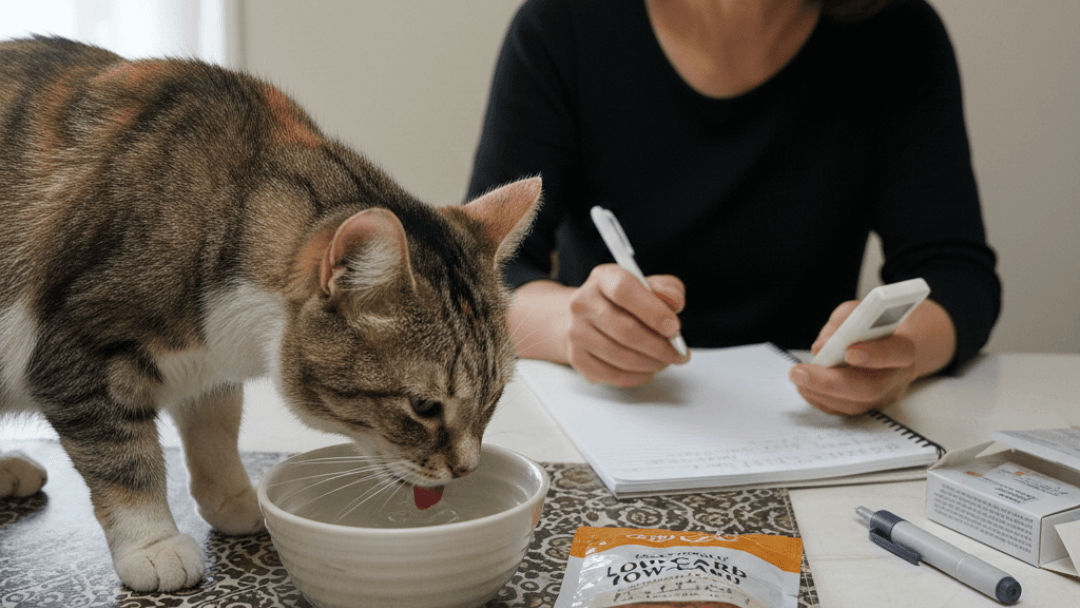
A Quick Fact Sheet for Pet Owners
Diabetes mellitus is a common hormonal disease in middle-aged to older cats. With early detection and proper care, many diabetic cats can live happy, comfortable lives.
What Is Diabetes Mellitus?
Diabetes mellitus occurs when a cat’s body cannot properly regulate blood sugar (glucose).
This happens when:
- The body does not produce enough insulin, or
- The body cannot use insulin effectively
Insulin is a hormone that helps move sugar from the blood into the body’s cells for energy. Without it working properly, blood sugar levels become too high.
Which Cats Are More at Risk?
Cats more commonly affected include:
- Middle-aged to senior cats
- Overweight or obese cats
- Indoor, less active cats
- Male cats
- Cats fed mainly high-carbohydrate diets
Common Signs of Diabetes in Cats
Pet owners may notice:
- Drinking more water than usual
- Urinating more frequently or larger clumps in the litter box
- Increased appetite
- Weight loss despite eating well
- Lethargy or reduced activity
- Poor coat condition
If untreated, cats may become very weak, dehydrated, or seriously ill.
How Is Diabetes Diagnosed?
Your veterinarian will diagnose diabetes through:
- Physical examination
- Blood tests showing high blood glucose
- Urine tests showing glucose in the urine
Diagnosis is usually straightforward, but early testing is key.
How Is Feline Diabetes Managed?
Diabetes is usually manageable, not curable—but many cats can go into remission.
Management may include:
- Insulin injections (usually given twice daily)
- Diet changes (often high-protein, low-carbohydrate diets)
- Weight management
- Regular monitoring and veterinary check-ups
Your veterinarian will design a plan tailored to your cat’s needs.
Can Diabetic Cats Live a Normal Life?
Yes. With consistent care, most diabetic cats can enjoy a good quality of life. Some cats may even achieve diabetic remission, meaning insulin is no longer needed for a period of time.
Consistency and early intervention make a big difference.
When Should You See a Veterinarian?
Contact your veterinarian if your cat:
- Drinks or urinates more than usual
- Loses weight unexpectedly
- Seems weak, lethargic, or unwell
Early diagnosis leads to better outcomes.
Key Takeaway for Pet Owners
Diabetes in cats is common but manageable. Recognising early signs and working closely with your veterinarian can help your cat live a long, comfortable life.
If you notice changes in your cat’s drinking, eating, or weight, don’t wait—early checks matter.