

Why Is My Cat Not Eating? When Should You Be Worried?

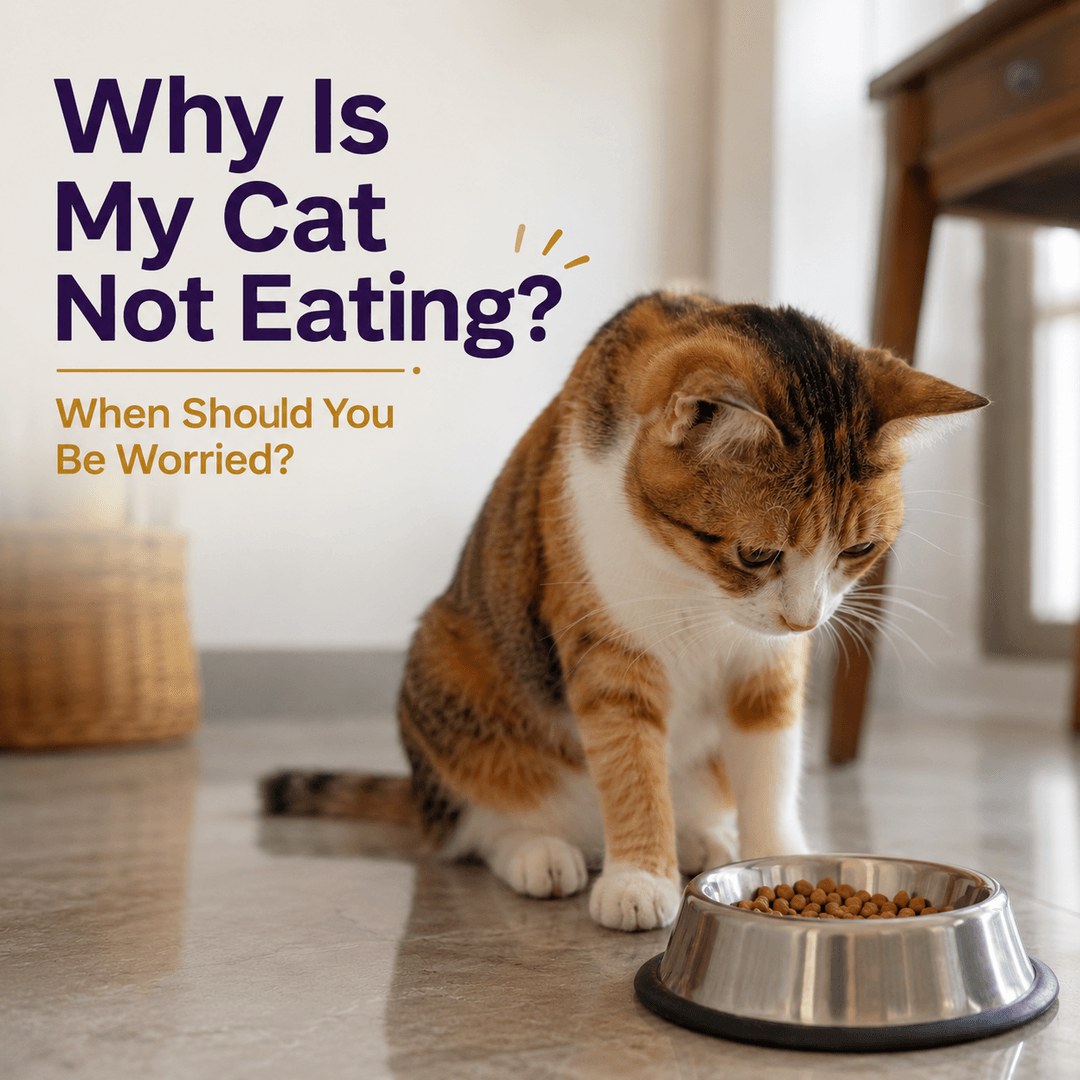
One of the most common concerns we hear from cat owners is, “My cat hasn’t been eating well.” While some cats may occasionally skip a meal, a loss of appetite should never be ignored—especially if it lasts more than 24 hours.
Unlike dogs, cats are particularly sensitive to not eating. If they stop eating for several days, they can develop a serious condition called hepatic lipidosis (fatty liver disease), which can become life-threatening if left untreated.
Why Do Cats Stop Eating?
There are many possible causes, ranging from mild to serious. Some of the most common include:
- Dental pain or broken teeth
- Fever or infection
- Kidney disease
- Liver disease
- Pancreatitis
- Hairballs or intestinal blockage
- Stress or environmental changes
- Certain cancers
Because there are so many possible causes, it is often impossible to know the reason without a veterinary examination.
Signs to Watch For
A cat that is feeling unwell may show more than just a poor appetite. Look out for:
- Eating less or refusing food
- Hiding more than usual
- Sleeping more
- Weight loss
- Vomiting or diarrhoea
- Drooling or bad breath
- Drinking more or less than usual
- Difficulty chewing
- Less interest in playing or interacting
Cats are experts at hiding illness. By the time they stop eating, they may already be feeling quite unwell.
What Can You Do at Home?
If your cat skips one meal but is otherwise bright and behaving normally, monitor them closely.
You can try:
- Offering fresh, highly palatable food
- Warming wet food slightly to enhance the smell
- Ensuring fresh water is always available
- Keeping the environment quiet and stress-free
However, never force-feed your cat unless advised by your veterinarian.
When Should You See a Veterinarian?
Arrange a veterinary visit as soon as possible if:
- Your cat has not eaten for more than 24 hours.
- Your cat is a kitten, senior cat, or has an existing medical condition.
- Your cat is vomiting repeatedly.
- Your cat appears weak, hides continuously, or has difficulty breathing.
- You notice significant weight loss or signs of pain.
The earlier the cause is identified, the more treatment options are available, and the better the chance of a full recovery.
A Veterinarian’s Perspective
One of the most common things I hear is, “I thought she was just being fussy.” Unfortunately, cats rarely stop eating without a reason. In many cases, they have been quietly hiding pain or illness for days before owners notice a problem.
As veterinarians, we know that early diagnosis makes a big difference. Whether it’s dental disease, kidney disease, or simply a fever, treating the problem early usually leads to a quicker recovery and less stress for both you and your cat.
Final Thoughts
A healthy cat should have a healthy appetite. If your cat suddenly stops eating or is eating much less than usual, don’t assume they are just being picky.
Trust your instincts. If something doesn’t seem right, it’s always safer to have your cat examined. A simple check-up today could prevent a much more serious problem tomorrow.