


Blog
Fireworks and Pets

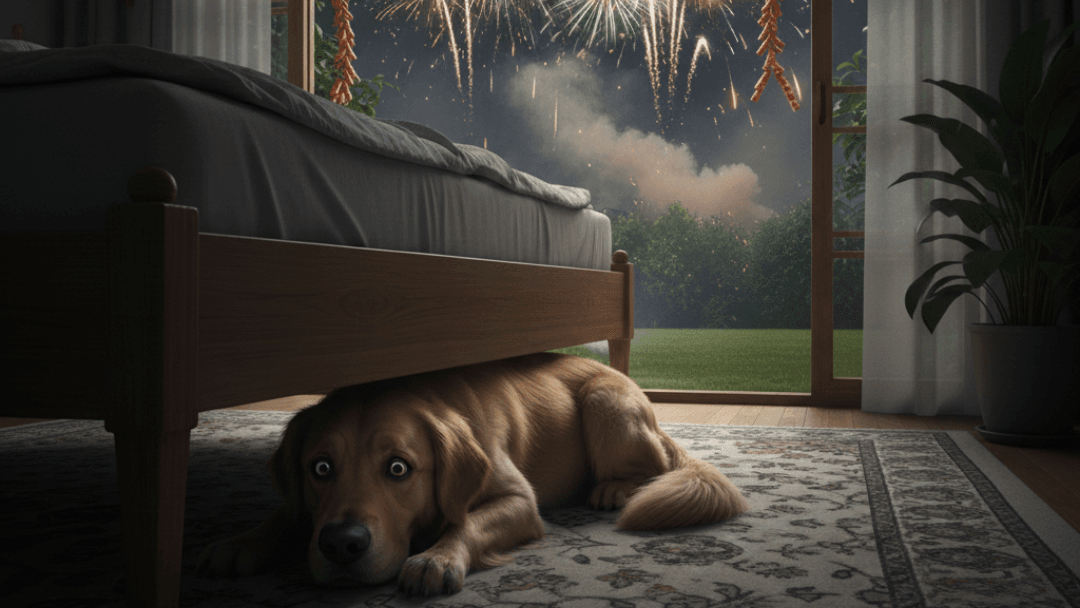
Fireworks and Pets: A Simple Guide for Dog & Cat Owners
Brought to you by a PetMedic, with veterinary guidance
Fireworks are often part of celebrations like New Year, festivals, and special events. While they are exciting for people, fireworks can be very frightening for dogs and cats. Loud bangs, bright flashes, and sudden noises can cause stress, fear, and panic in pets.
This simple guide explains how fireworks affect pets, what signs to look out for, and how you can help your dog or cat stay calm and safe.
Why Do Fireworks Scare Dogs and Cats?
Pets experience the world differently from us.
- Dogs and cats have much more sensitive hearing than humans.
- Fireworks are loud, sudden, and unpredictable.
- Pets don’t understand what the noise is or when it will stop.
Because of this, fireworks can trigger fear and anxiety, even in pets that are usually calm.
Common Signs of Stress in Pets
Dogs may:
- Shake or tremble
- Pant heavily or drool
- Pace around or seem restless
- Bark, whine, or cling to their owner
- Hide or try to run away
- Lose interest in food
Cats may:
- Hide for long periods
- Become quiet or withdrawn
- Show wide eyes or flattened ears
- Stop eating or using the litter box normally
These reactions are signs of fear, not bad behaviour.
Why Fireworks Can Be Dangerous for Pets?
Fear caused by fireworks can lead to:
- Pets escaping from the house or garden
- Injuries from scratching, jumping, or crashing into objects
- Digestive upset such as vomiting or diarrhoea
- Worsening of existing health problems
This is why preparation is important, even if fireworks only last a short time.
How You Can Help Your Pet During Fireworks?
1. Keep Pets Indoors
Walk dogs earlier before fireworks start. Keep cats safely indoors.
2. Create a Safe, Quiet Space
Close windows and curtains. Play soft music or TV to reduce noise. Let your pet hide if they want to.
3. Stay Calm
Pets sense our emotions. Speak gently and stay calm to help them feel safe.
4. Do Not Punish Fearful Behaviour
Your pet is scared, not naughty. Punishment can make anxiety worse.
5. Use Calming Support
Some pets benefit from calming routines, pheromone products, or natural calming supplements. These work best when started before fireworks begin.
When to Speak to Your Veterinarian?
If your pet shows severe fear, injures themselves, or does not eat for more than a day, please consult your veterinarian. Some pets may need additional support or medical advice during fireworks season.
Never give human medication to pets unless advised by a veterinarian.
A Gentle Reminder
Fireworks may be temporary, but fear can leave a lasting impact on pets. With preparation, patience, and the right support, you can help your dog or cat feel safer during loud celebrations.
Your pet trusts you to protect them—especially when they feel afraid.