


Blog
Hyperthyroidism in Cats

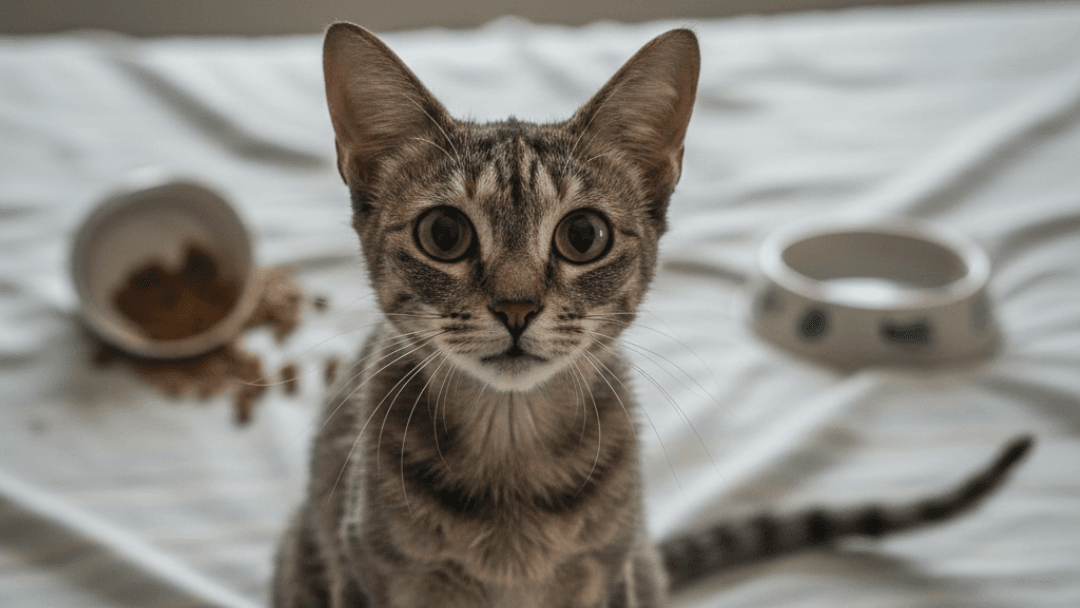
A Quick Fact Sheet for Pet Owners
Hyperthyroidism is a common hormonal disorder in older cats. It happens when the thyroid glands produce too much thyroid hormone, which speeds up the metabolism. With early detection and proper care, most cats with hyperthyroidism can live comfortably and maintain a good quality of life.
What Is Hyperthyroidism?
The thyroid glands are located in the neck and help regulate metabolism. In hyperthyroidism:
- The glands produce excess thyroid hormone
- The body’s metabolism runs too fast
This can affect many organs, including the heart, liver, and digestive system.
Which Cats Are at Risk?
- Usually middle-aged to older cats (often over 10 years old)
- No specific breed predisposition, but indoor cats may be slightly more at risk
- Often noticed in cats with weight loss despite a healthy appetite
Common Signs of Hyperthyroidism
Pet owners may notice:
- Weight loss even though the cat is eating well
- Increased appetite
- Increased thirst and urination
- Hyperactivity, restlessness, or irritability
- Vomiting or diarrhea
- Poor coat condition or unkempt fur
Left untreated, hyperthyroidism can lead to serious health problems, including heart disease.
How Is Hyperthyroidism Diagnosed?
Your veterinarian can confirm hyperthyroidism through:
- Physical examination (palpating the thyroid glands)
- Blood tests measuring thyroid hormone levels
- Additional tests to check for heart or kidney health
Early diagnosis is important for better management and outcomes.
How Is Hyperthyroidism Managed?
Management options include:
- Medication: Pills or topical solutions to control thyroid hormone levels
- Dietary therapy: Special prescription diets low in iodine can help
Your veterinarian will recommend the best approach based on your cat’s overall health and lifestyle.
When to See a Veterinarian?
Contact your veterinarian if your cat:
- Is losing weight despite a good appetite
- Shows increased thirst or urination
- Appears hyperactive or restless
- Has vomiting, diarrhea, or poor coat condition
Early intervention helps maintain your cat’s health and comfort.
Key Takeaway for Pet Owners
Hyperthyroidism is common in older cats, but it can be managed effectively. With regular veterinary care, proper treatment, and monitoring, most cats continue to live happy and active lives.