


Blog
Puppy and Kitten Immunity

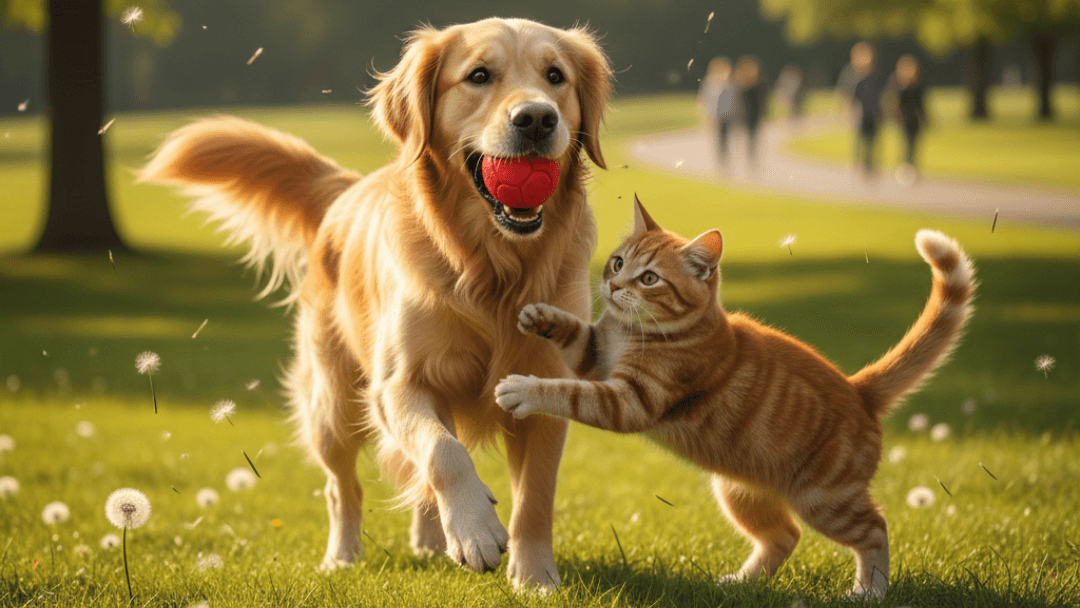
Puppy and Kitten Immunity: A Simple Guide for Pet Owners
Supporting your young pet’s health from the very beginning
Bringing home a new puppy or kitten is an exciting and joyful time. Along with play, bonding, and training, one of the most important things to understand is **your young pet’s immune system**.
Puppies and kittens are not born with strong immunity. Their bodies are still learning how to fight infections and adapt to the world around them. This simple guide explains **how immunity develops**, **why young pets are more vulnerable**, and **how pet owners can support healthy immune development**.
What Is Immunity and Why Is It Important?
Immunity is your pet’s natural defence system. It helps the body fight off bacteria, viruses, and other harmful organisms.
In puppies and kittens, the immune system is:
- Immature at birth
- Still developing during the first few months of life
- Easily overwhelmed by infections
This is why young pets are more likely to get sick if they are not properly protected.
Where Does a Puppy or Kitten Get Early Immunity?
- From Their Mother
Newborn puppies and kittens receive their first immune protection from their mother’s milk, especially the first milk called **colostrum**. This provides temporary protection during the early weeks of life.
However, this protection:
- Gradually fades over time
- Is not enough to protect them long-term
- Through Vaccination
As maternal immunity decreases, vaccinations help train your pet’s immune system to recognise and fight serious diseases. This is why puppies and kittens need **a series of vaccinations**, not just one.
Your veterinarian will advise the right schedule based on age and risk.
Why Puppies and Kittens Are More Vulnerable?
Young pets are more sensitive because:
- Their immune system is still learning
- They explore with their mouths and noses
- They have close contact with people, other pets, and new environments
Common illnesses such as parvovirus, distemper, or kitten flu can be life-threatening in young animals without proper immune protection.
Signs Your Young Pet May Be Unwell
Contact your veterinarian if your puppy or kitten shows:
- Poor appetite or not eating
- Vomiting or diarrhoea
- Lethargy or weakness
- Fever
- Sneezing, coughing, or nasal discharge
Early treatment is especially important in young pets.
How Pet Owners Can Support Healthy Immunity?
- Follow a Proper Vaccination Plan
Vaccination is the foundation of immunity. Always follow your veterinarian’s recommended schedule.
- Provide Good Nutrition
A balanced, high-quality diet supports growth and immune development.
- Keep Their Environment Clean
Limit exposure to sick animals and avoid high-risk areas until vaccinations are complete. Environment and body sanitizer can help too.
- Reduce Stress
Stress can weaken immunity. Provide a calm, safe, and predictable environment.
- Consider Immune Support
Some puppies and kittens may benefit from gentle immune-supporting supplements, especially during growth, vaccination periods, or environmental changes. Always choose products suitable for young pets and seek veterinary advice when unsure.
How Our Immune Support Supplement with DMG May Help?
During early growth, vaccination periods, or times of change, some puppies and kittens may benefit from gentle immune support.
Our immune support supplement contains DMG (Dimethylglycine), a well-researched ingredient commonly used to support immune function in animals.
From a supportive care perspective, DMG may help by:
- Supporting normal immune system responses
- Helping the body cope better with everyday environmental challenges
- Supporting energy and recovery during growth and development
- Complementing good nutrition and veterinary care
This supplement is **not a replacement for vaccination or veterinary treatment**, but can be used as part of a holistic approach to support your young pet’s overall health.
Always use supplements according to recommended guidelines, and consult your veterinarian if your puppy or kitten has existing health concerns.
When to Speak to Your Veterinarian?
Always consult your veterinarian if you are unsure about:
- Vaccination schedules
- Nutrition and supplements
- Signs of illness
Your vet can help tailor an immunity plan based on your pet’s age, lifestyle, and health.
A Final Note for Pet Owners
Strong immunity does not happen overnight. It is built gradually through proper care, nutrition, vaccination, and a supportive environment.
By understanding your puppy or kitten’s immune needs, you are giving them the best possible start to a healthy, happy life.
*Healthy beginnings lead to stronger futures.*