

Osteoarthritis in Cats

Osteoarthritis in Cats: The Hidden Cause of Pain Many Owners Miss
When people think about arthritis, they often picture older dogs struggling to walk. However, as veterinarians, we now know that osteoarthritis is also very common in cats, especially as they age.
The challenge is that cats are extremely good at hiding pain. Many owners assume their cat is simply “getting older” or “slowing down,” when in reality the cat may be living with chronic joint discomfort.
Understanding the signs of osteoarthritis can help owners recognize the problem earlier and improve their cat’s quality of life.
What Is Osteoarthritis?
Osteoarthritis is a degenerative joint disease.
Inside healthy joints, cartilage acts like a smooth cushion that allows bones to move comfortably. Over time, this cartilage can wear down. When this happens, the bones begin to rub against each other, causing:
- Inflammation
- Stiffness
- Pain
- Reduced movement
In cats, osteoarthritis most commonly affects the:
- Hips
- Elbows
- Knees
- Lower spine
Studies suggest that many cats over 10 years old have some degree of arthritis, even if the signs are subtle.
Why Osteoarthritis Is Often Missed in Cats
Dogs often show obvious limping when they are in pain. Cats, however, behave differently.
Instead of limping, cats may simply change their daily habits to avoid discomfort.
Because these changes are gradual, many owners do not immediately recognize that something is wrong.
Signs of Osteoarthritis in Cats
Some of the most common signs include:
- Jumping less frequently
Cats with joint pain may stop jumping onto high places like cupboards, shelves, or windowsills. - Difficulty climbing stairs
- Sleeping more than usual
- Reduced grooming
Cats with painful joints may struggle to twist their bodies to groom properly. This can lead to matted fur, especially on the back or hips. - Irritability when touched
A normally friendly cat may become sensitive when its back or hips are touched. - Changes in litter box habits
If climbing into a high-sided litter box becomes painful, a cat may start urinating or defecating outside the box.
These changes are often mistaken as behavior problems, when the real cause may be pain.
Which Cats Are More Likely to Develop Arthritis?
Several factors can increase the risk:
- Older age
- Previous joint injuries
- Obesity
- Certain genetic factors
- Inactive lifestyle
Even indoor cats that appear healthy may develop arthritis as they age.
How Veterinarians Diagnose Osteoarthritis
Diagnosis usually involves:
- Physical examination
Your veterinarian will gently check the joints for stiffness, swelling, or pain. - Observation of movement
Subtle changes in posture or walking style may provide clues. - X-rays
Radiographs can help confirm joint degeneration and rule out other problems.
In many cases, diagnosis is based on a combination of clinical signs and examination findings.
Treatment Options
Although osteoarthritis cannot be completely cured, many treatments can greatly improve comfort and mobility.
Common approaches include:
- Pain relief medication
Veterinary-approved anti-inflammatory medications can significantly reduce pain. - Joint supplements
Products containing ingredients such as glucosamine, chondroitin, or omega-3 fatty acids may help support joint health. - Weight management
Maintaining a healthy weight reduces stress on the joints. - Environmental adjustments
Simple changes at home can make a big difference.
Helping an Arthritic Cat at Home
Small adjustments can greatly improve your cat’s comfort.
Helpful changes include:
- Providing soft bedding
- Using low-sided litter boxes
- Adding ramps or steps to favorite resting spots
- Placing food and water bowls in easily accessible areas
These changes help reduce the need for painful jumping or climbing.
When Should You See a Veterinarian?
If you notice changes such as:
- Your cat no longer jumping to favorite places
- Reduced activity
- Changes in grooming habits
- Increased irritability
It may be worth discussing the possibility of arthritis with your veterinarian.
Early management can slow progression and improve your cat’s quality of life.
A Veterinarian’s Final Advice
Many cats with osteoarthritis continue to live long, happy lives once their pain is properly managed.
The most important step is recognizing that subtle behavior changes may actually be signs of discomfort.
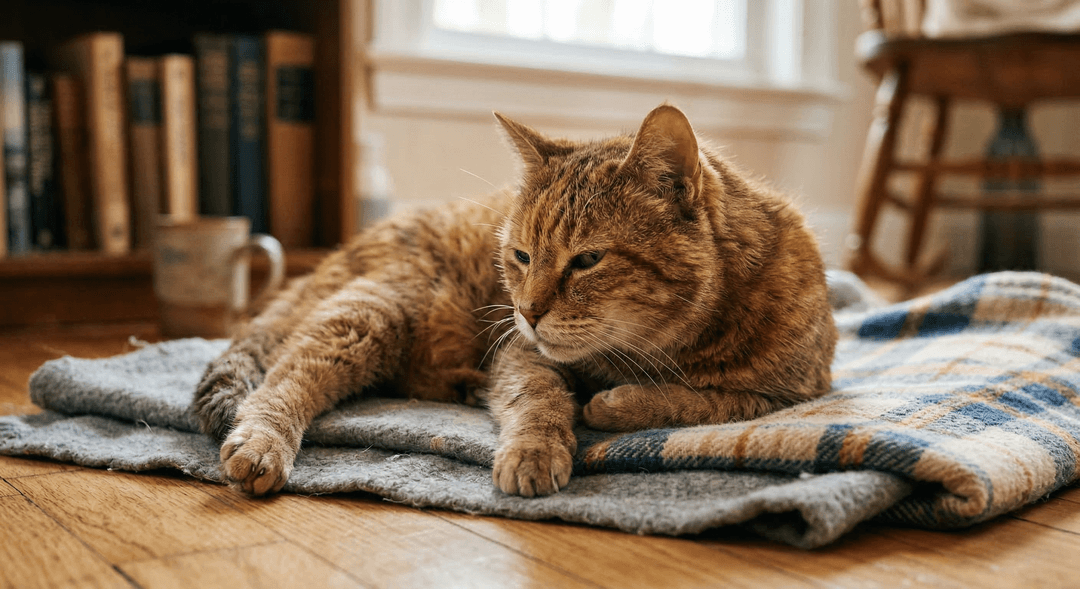
If your once-active cat is suddenly choosing the floor instead of the bookshelf, it may not just be age—it could be arthritis asking for attention. 🐱