

Pancreatitis in Cats and Dogs

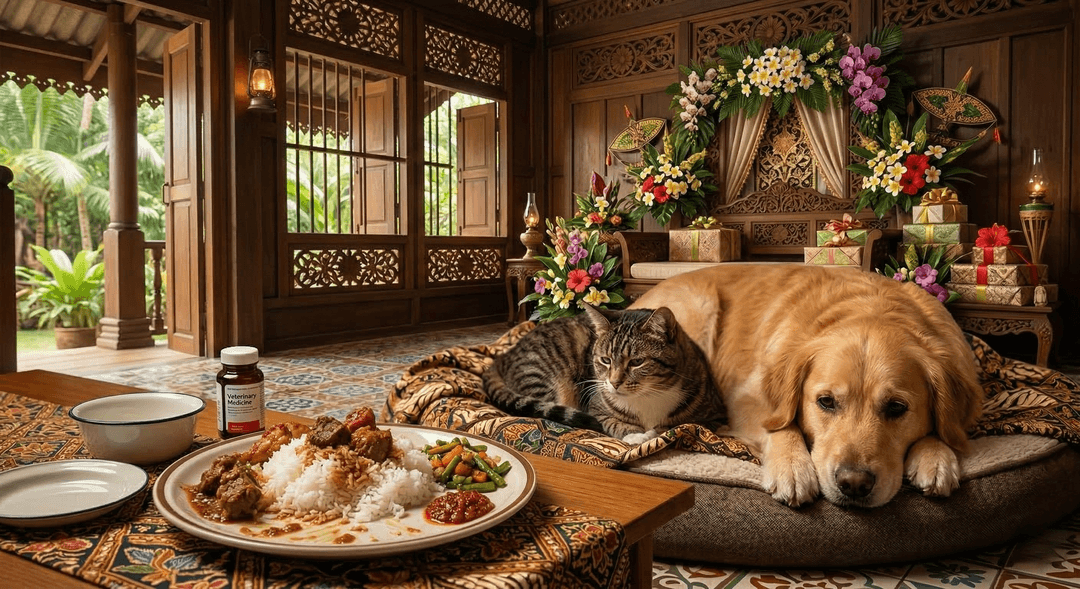
Pancreatitis in Cats and Dogs: The Hidden Danger of Festive Food
Festive seasons are a time for celebration, family meals, and lots of delicious food. Many pet owners enjoy sharing these special moments with their pets, and it can be tempting to give them a small taste from the table.
However, as veterinarians, the festive season is also a time when we see a spike in cases of pancreatitis in both dogs and cats. This condition can range from mild stomach upset to a serious and life-threatening illness.
Understanding why festive food can trigger pancreatitis may help keep your pets safe during the holidays.
What Is Pancreatitis?
The pancreas is an organ located near the stomach and small intestine. It produces enzymes that help digest food, especially fats, and hormones that regulate blood sugar.
Pancreatitis occurs when the pancreas becomes inflamed.
Normally, digestive enzymes are released into the intestine. But in pancreatitis, these enzymes become activated inside the pancreas itself, which causes irritation and inflammation of the organ.
This inflammation can affect not only the pancreas but also the surrounding organs and the entire body.
Why Festive Food Is a Common Trigger
Many festive foods are much richer and fattier than a pet’s regular diet.
Common festive foods that can trigger pancreatitis include:
- Fatty meat trimmings
- Roasted skin from chicken or duck
- Gravy
- Butter-rich dishes
- Fried food
- Leftover barbecue meat
- Creamy sauces
Dogs are particularly sensitive to sudden high-fat meals, especially if they eat a large amount at once.
Cats are usually more selective eaters, but pancreatitis can still occur when they consume rich human food or sudden dietary changes.
Even a small amount of fatty food can trigger problems in sensitive pets.
Which Pets Are More at Risk?
While pancreatitis can occur in any pet, some are more prone than others.
Higher-risk pets include:
- Overweight dogs and cats
- Pets that frequently receive table scraps
- Pets with a history of pancreatitis
- Middle-aged or older animals
- Dogs that tend to “scavenge” food
Certain dogs that eat quickly or get into food leftovers during gatherings may suddenly consume a very large amount of fat in a short time, which greatly increases the risk.
Signs of Pancreatitis in Dogs
Dogs with pancreatitis often show clear signs of illness.
Common symptoms include:
- Vomiting
- Loss of appetite
- Abdominal pain
- Lethargy
- Diarrhea
- Hunched posture or reluctance to move
- Fever
Some dogs may appear very uncomfortable and may refuse to lie down because of abdominal pain.
Signs of Pancreatitis in Cats
Cats can be more difficult to diagnose because their symptoms are often subtle and vague.
Common signs include:
- Loss of appetite
- Lethargy
- Weight loss
- Vomiting (sometimes)
- Dehydration
Unlike dogs, cats may simply appear quiet, weak, or uninterested in food, which can easily be mistaken for general illness.
Because of this, pancreatitis in cats is sometimes detected later than in dogs.
When Should You See a Veterinarian?
If your pet shows the following signs after eating unusual food, veterinary attention is recommended:
- Repeated vomiting
- Refusal to eat
- Severe lethargy
- Signs of abdominal pain
- Diarrhea that persists
- Collapse or weakness
Pancreatitis can worsen quickly, and early treatment greatly improves recovery.
How Is Pancreatitis Treated?
Treatment usually focuses on supportive care while the pancreas heals.
Common treatments include:
- Intravenous fluids to prevent dehydration
- Pain relief medication
- Anti-nausea medication
- Controlled feeding with a low-fat diet
- Monitoring for complications
Severe cases may require hospitalization for several days.
Most pets recover well with proper care, but some can develop recurrent pancreatitis if diet is not controlled.
Preventing Pancreatitis During the Festive Season
The good news is that pancreatitis is often preventable.
Here are some simple precautions:
- Avoid feeding table scraps
Human festive food is often too rich for pets. - Keep food out of reach
During gatherings, pets may steal food from tables, plates, or trash bins. - Ask guests not to feed pets
Well-meaning guests often give treats without realizing the risk. - Stick to the pet’s normal diet
Consistency is the safest option.
If you want to include your pet in the celebration, offer their regular treats or pet-safe snacks instead of human food.
A Veterinarian’s Final Advice
During festive celebrations, it is natural to want to share food with our pets. But what seems like a harmless treat can sometimes lead to a painful and serious medical condition.
From a veterinarian’s perspective, one of the best gifts you can give your pet during the holidays is simply keeping them on their normal diet.
They may not understand the festive feast—but their pancreas will definitely thank you for it. 🐶🐱