

The Silent Pain of Senior Cats: Why Your Cat May Be Hurting Without You Knowing

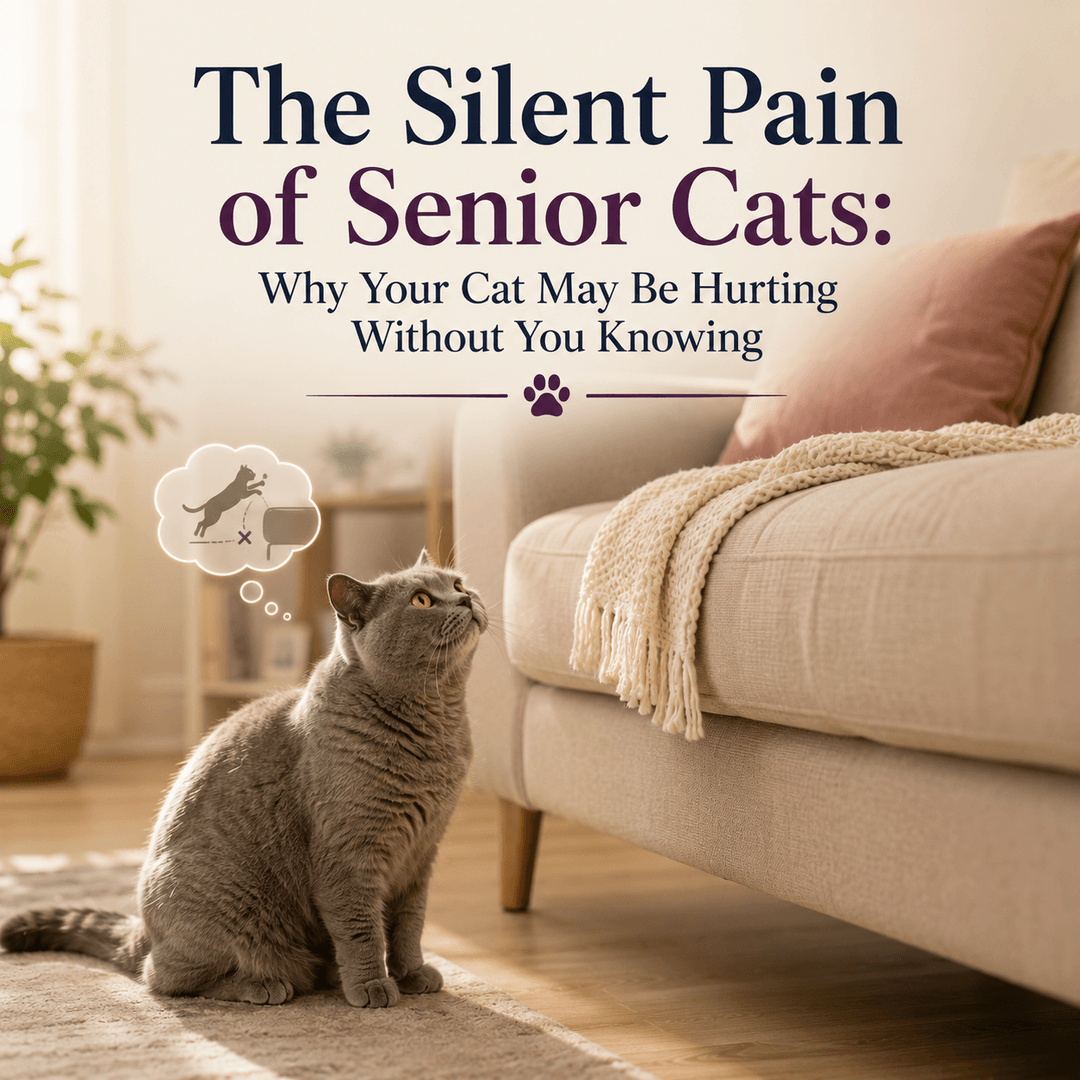
Cats have earned a reputation for being independent and resilient. But one of the biggest challenges we face as veterinarians is that cats are experts at hiding pain.
In the wild, showing weakness could make an animal vulnerable to predators. Although our cats now live safely at home, this instinct remains deeply ingrained. As a result, many senior cats live with chronic pain for months—or even years—before anyone realises something is wrong.
“She’s Just Getting Old”… Or Is She?
Many owners tell us:
- “He’s slowing down because he’s old.”
- “She doesn’t jump onto the bed anymore.”
- “He sleeps all day now.”
While ageing naturally brings some changes, these behaviours are often signs of pain rather than simply old age.
One of the most common causes is osteoarthritis (arthritis).
Studies suggest that more than 90% of cats over 12 years of age have evidence of arthritis on X-rays, even though many show only subtle signs at home.
Signs of Silent Pain in Cats
Unlike dogs, cats rarely limp or cry out when they are in pain.
Instead, look for these subtle changes:
- Jumping onto lower surfaces instead of higher ones
- Hesitating before jumping
- Using stairs less often
- Sleeping more than usual
- Becoming less playful
- Grooming less, leading to a scruffy coat
- Over-grooming one painful area
- Hiding more often
- Becoming grumpy or less tolerant of handling
- Difficulty getting into the litter tray
- Missing the litter tray because climbing in is uncomfortable
- Reduced appetite or weight loss
- Walking with a stiff or cautious gait
These are often your cat’s way of saying, “I’m hurting.”
Where Does Arthritis Occur?
Arthritis can affect almost any joint, but it is most commonly found in:
- Hips
- Knees
- Elbows
- Shoulders
- Spine
The condition develops gradually as cartilage wears down, leading to inflammation, stiffness, and chronic pain.
Pain Isn’t Always Arthritis
Other conditions that commonly cause pain in senior cats include:
- Dental disease
- Chronic kidney disease
- Spinal disease
- Previous injuries
- Cancer
- Chronic bladder disease
This is why a thorough veterinary examination is important whenever your cat’s behaviour changes.
How Veterinarians Diagnose Pain
Cats often behave normally during a short consultation because of adrenaline and unfamiliar surroundings.
To make an accurate diagnosis, veterinarians combine:
- Your observations at home
- Physical examination
- Joint assessment
- Gait evaluation
- X-rays when appropriate
- Blood tests to identify other age-related diseases
Sometimes, a trial of pain relief also helps confirm whether pain is contributing to the behavioural changes.
How Can We Help?
Today, we have many ways to improve a senior cat’s comfort.
Treatment may include:
Pain Relief
Modern veterinary pain medications can significantly improve comfort and mobility. Never give human painkillers to cats unless specifically prescribed by your veterinarian, as many are toxic.
Weight Management
Extra body weight places additional stress on already painful joints.
Maintaining a healthy weight is one of the most effective long-term treatments for arthritis.
Joint-Supportive Nutrition
Evidence-based nutritional support may include:
- Glucosamine
- Condroitin
- EPA and DHA (Omega-3 fatty acids)
- Curcumin
- Collagen
- Astaxanthin
- Green-lipped mussel extract (where appropriate)
These ingredients help support joint health and reduce inflammation as part of a comprehensive treatment plan.
Home Modifications
Simple changes can make daily life much easier:
- Provide steps or ramps to favourite resting spots
- Use low-sided litter trays
- Place food, water, and litter trays on the same floor
- Provide soft, warm bedding
- Use non-slip mats on slippery floors
Small adjustments can greatly improve your cat’s confidence and comfort.
Why Early Treatment Matters
Pain affects more than movement.
Chronic pain can reduce appetite, disturb sleep, decrease grooming, alter behaviour, weaken muscles, and reduce overall quality of life.
The earlier pain is recognised, the more effectively we can manage it and help preserve mobility.
The Bottom Line
Cats rarely tell us they are in pain—they simply change their behaviour.
If your senior cat has stopped jumping, sleeps more than usual, hides frequently, or seems less like their usual self, don’t assume it’s “just old age.”
These subtle changes may be your cat’s quiet way of asking for help.
With early diagnosis, appropriate pain management, good nutrition, and regular veterinary care, many senior cats can remain comfortable, active, and happy well into their golden years.
Growing older is inevitable. Living with unnecessary pain shouldn’t be.