

Senior Cats and Their Immune System: Why Older Cats Need Extra Care

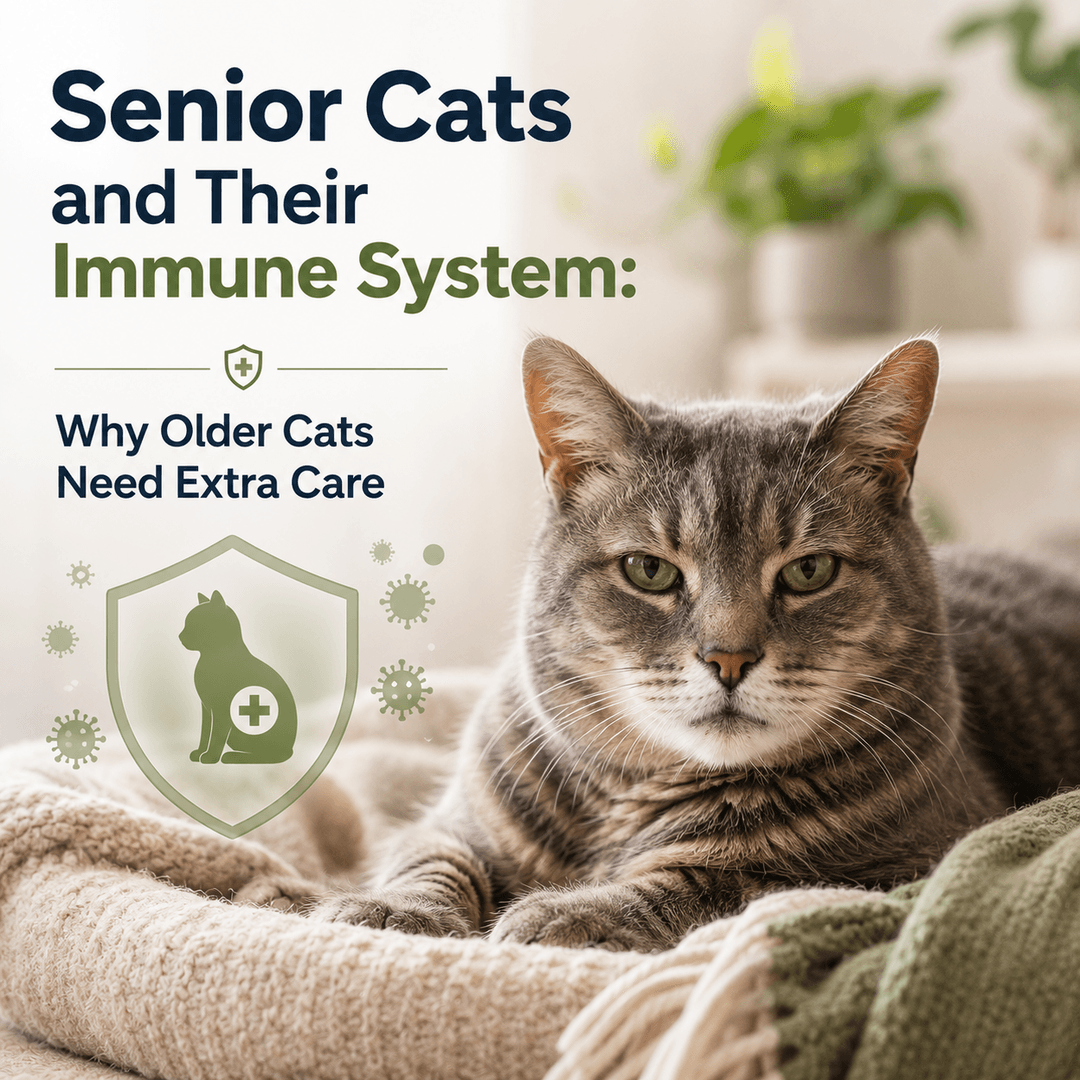
Many cat owners notice that as their cats grow older, they seem to sleep more, become less active, or take longer to recover from minor illnesses. While some of these changes are a normal part of ageing, one important factor often goes unnoticed—the gradual decline of the immune system.
Just like humans, a cat’s immune system becomes less efficient with age. This natural process, known as immunosenescence, can make senior cats more vulnerable to infections, chronic diseases, slower healing, and even certain cancers.
Understanding how ageing affects your cat’s immunity can help you take proactive steps to keep them healthier and happier throughout their golden years.
When Is a Cat Considered a Senior?
Most veterinarians consider cats to enter their senior years at around 10 years of age, although some age-related changes may begin earlier.
Cats are often classified as:
- Mature: 7–10 years
- Senior: 11–14 years
- Geriatric: 15 years and above
As cats age, changes occur throughout the body, including the immune system, kidneys, digestive tract, muscles, and brain.
What Does the Immune System Do?
The immune system is the body’s natural defence mechanism.
Its role is to:
- Fight infections caused by bacteria, viruses, and fungi
- Identify and destroy abnormal cells
- Promote healing after injury
- Control inflammation
- Protect against disease
A healthy immune system constantly monitors the body and responds quickly to threats.
As cats age, this system becomes less effective and less responsive.
How Does Ageing Affect a Cat’s Immunity?
Several changes occur as senior cats get older.
Reduced Immune Cell Function
Certain immune cells become less efficient at recognising and eliminating harmful organisms.
This means infections may occur more easily and take longer to resolve.
Increased Chronic Inflammation
Interestingly, ageing may cause the body to remain in a low-grade inflammatory state.
This chronic inflammation has been associated with many age-related diseases, including:
- Arthritis
- Kidney disease
- Heart disease
- Cognitive decline
Slower Healing
Older cats often heal more slowly following illness, injury, surgery, or dental procedures.
Reduced Response to Disease
Because the immune system becomes less responsive, symptoms of illness may be more subtle than in younger cats.
Common Health Problems Linked to Reduced Immunity
Respiratory Infections
Senior cats may be more susceptible to recurring upper respiratory infections, especially if they were exposed to feline herpesvirus earlier in life.
Signs may include:
- Sneezing
- Nasal discharge
- Eye discharge
- Reduced appetite
Dental Disease
Dental disease is extremely common in older cats.
Inflamed gums and infected teeth create a constant source of bacteria and inflammation that can challenge the immune system.
Studies suggest that most cats over the age of three have some degree of dental disease.
Skin and Coat Problems
Owners may notice:
- Poor coat quality
- Dandruff
- Increased shedding
- Slower healing of wounds
These changes may sometimes reflect underlying health or immune-related issues.
Cancer
The immune system plays an important role in identifying and destroying abnormal cells.
As immune surveillance declines with age, the risk of certain cancers may increase.
Chronic Kidney Disease
Chronic kidney disease is one of the most common diseases affecting senior cats.
Approximately 30–40% of cats over 10 years of age may develop some degree of kidney dysfunction.
Because kidney disease often develops gradually, routine health screening becomes increasingly important.
Signs Your Senior Cat May Need a Health Check
Many illnesses in older cats develop slowly and may be mistaken for normal ageing.
Watch for:
- Weight loss
- Reduced appetite
- Increased drinking
- Increased urination
- Poor coat condition
- Bad breath
- Reduced grooming
- Sleeping more than usual
- Reduced activity
- Hiding more frequently
- Changes in litter tray habits
Cats are masters at hiding illness, and subtle changes are often the earliest clues that something is wrong.
How Can Owners Support Their Senior Cat’s Immune System?
While ageing cannot be stopped, there are many ways to support a senior cat’s overall health and immune function.
Feed a High-Quality Diet
Nutrition plays a crucial role in maintaining immunity.
Senior cats require adequate:
- High-quality protein
- Essential fatty acids
- Vitamins and minerals
- Antioxidants
A balanced diet helps support muscle mass, organ function, and immune health.
Maintain a Healthy Body Weight
Both obesity and excessive weight loss can negatively impact overall health.
Regular weight monitoring allows early detection of underlying disease.
Keep Vaccinations Up to Date
Senior cats still benefit from appropriate vaccination protocols based on their lifestyle and risk factors.
Your veterinarian can advise which vaccines remain important as your cat ages.
Prioritise Dental Care
Chronic dental disease creates ongoing inflammation and bacterial exposure.
Regular dental examinations and treatment can significantly improve overall health and wellbeing.
Minimise Stress
Stress can negatively affect immune function.
Senior cats generally prefer:
- Consistent routines
- Quiet resting areas
- Easy access to food, water, and litter trays
- Predictable environments
Consider Immune-Supportive Supplements
Certain supplements may help support immune health and healthy ageing.
Examples include:
- Omega-3 fatty acids
- Beta-glucans
- Antioxidants
- DHA
- Curcumin
- Astaxanthin
While supplements cannot prevent ageing, they may help support healthy immune and cognitive function in selected cats.
Always consult your veterinarian before starting any supplement program.
Why Twice-Yearly Health Checks Matter
For younger cats, annual examinations are often sufficient.
However, most veterinarians recommend health checks every six months for senior cats.
This is because significant health changes can occur within a relatively short period of time.
A senior wellness examination may include:
- Physical examination
- Weight monitoring
- Blood testing
- Urine analysis
- Blood pressure measurement
- Dental assessment
These tests often identify disease before obvious symptoms appear.
Final Thoughts
Ageing is a natural process, but it also brings changes that can affect your cat’s ability to fight disease and maintain good health.
A declining immune system does not mean your cat is destined to become sick. With proper nutrition, preventive healthcare, dental care, regular health screening, and early intervention when problems arise, many senior cats continue to enjoy active and fulfilling lives well into their teens and beyond.
If your cat is entering their senior years, now is the perfect time to focus on proactive healthcare. Small steps taken today can make a significant difference to your cat’s comfort, health, and quality of life in the years ahead.