

Cancer in Dogs: Early Detection Can Save Lives

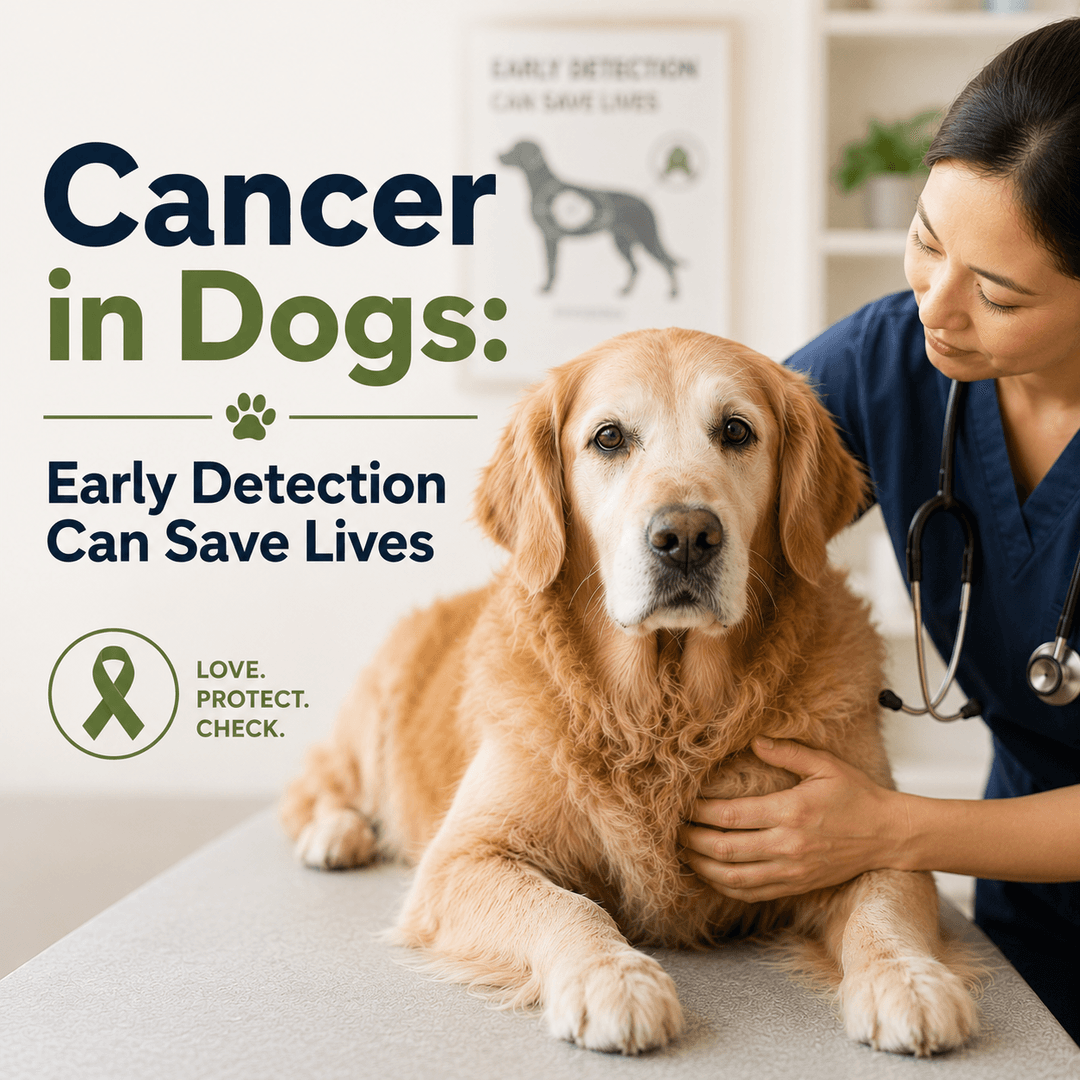
Cancer is one of the leading causes of death in older dogs. While hearing the word “cancer” can be frightening for any pet owner, it is important to remember that not all cancers are the same. Some grow slowly and can be successfully treated or managed for years, while others require prompt intervention for the best possible outcome.
The good news is that advances in veterinary medicine have greatly improved our ability to diagnose, treat, and manage many forms of cancer. In many cases, early detection can significantly improve both lifespan and quality of life.
How Common Is Cancer in Dogs?
Cancer is unfortunately quite common, particularly in middle-aged and senior dogs.
Studies suggest that approximately 1 in 4 dogs will develop cancer during their lifetime, and nearly 50% of dogs over the age of 10 years may develop some form of cancer.
While cancer can occur in dogs of any age, the risk generally increases as they grow older.
What Causes Cancer in Dogs?
In most cases, there is no single cause.
Cancer develops when cells within the body begin to grow uncontrollably and fail to die off normally. Over time, these abnormal cells may form tumours or spread to other organs.
Several factors may increase the risk:
Age
As dogs age, cellular damage accumulates, increasing the likelihood of cancer development.
Genetics
Certain breeds appear to have a higher risk of specific cancers.
Examples include:
- Golden Retrievers
- Labrador Retrievers
- Boxers
- German Shepherds
- Rottweilers
- Terrier
- Pug
- Beagle
- Poodle
- Bischon Frises
Environmental Factors
Potential contributing factors may include:
- Excessive UV exposure
- Certain chemicals
- Second-hand cigarette smoke
- Chronic inflammation
Hormonal Influences
Some cancers may be influenced by reproductive hormones, which is one reason why neutering may reduce the risk of certain tumour types.
Common Types of Cancer in Dogs
Mast Cell Tumours
One of the most common skin cancers seen in dogs.
These tumours can appear as:
- Small lumps
- Raised bumps
- Swellings that change size
- Lesions resembling insect bites
Because they can look harmless, many owners delay seeking veterinary attention.
Lymphoma
A cancer affecting the lymphatic system.
Common signs include:
- Enlarged lymph nodes
- Reduced appetite
- Weight loss
- Lethargy
Lymphoma is one of the cancers that may respond well to chemotherapy in selected cases.
Osteosarcoma (Bone Cancer)
Often seen in large and giant breed dogs.
Signs may include:
- Persistent limping
- Limb swelling
- Pain
- Sudden fractures
Early diagnosis is important as this cancer can spread aggressively.
Mammary Tumours
These occur primarily in unspayed female dogs.
Owners may notice:
- Lumps around the mammary glands
- Swelling
- Ulceration
Early spaying significantly reduces the risk of mammary cancer.
Hemangiosarcoma
A cancer that commonly affects the spleen, liver, or heart.
This tumour is particularly dangerous because it may remain undetected until internal bleeding occurs.
Affected dogs may suddenly develop:
- Weakness
- Collapse
- Pale gums
- Rapid breathing
This condition often requires emergency veterinary attention.
Warning Signs Every Dog Owner Should Know
Cancer can present in many different ways.
Contact your veterinarian if you notice:
New Lumps or Bumps
Not every lump is cancerous, but every new lump should be checked.
A common veterinary recommendation is:
“If a lump is larger than a pea or present for more than one month, it should be examined.”
Unexplained Weight Loss
Weight loss without changes in diet or exercise may indicate an underlying disease process.
Loss of Appetite
A persistent decrease in appetite should never be ignored.
Difficulty Breathing
Tumours affecting the chest or lungs may cause breathing difficulties.
Persistent Lameness
Ongoing limping that does not improve warrants further investigation.
Changes in Toilet Habits
Difficulty urinating, defecating, or changes in stool quality may indicate internal disease.
Non-Healing Wounds
Sores or wounds that fail to heal properly should be examined.
Reduced Energy Levels
Many dogs with cancer become quieter, less active, and less interested in activities they previously enjoyed.
How Is Cancer Diagnosed?
Diagnosis often involves several steps.
Physical Examination
Your veterinarian will assess:
- Lumps
- Lymph nodes
- Body condition
- Overall health
Fine Needle Aspiration (FNA)
A small needle is used to collect cells from a lump for microscopic evaluation.
This simple procedure often provides valuable information without requiring surgery.
Blood Testing
Blood tests help evaluate overall organ function and identify abnormalities.
Imaging
Diagnostic imaging may include:
- X-rays
- Ultrasound
- CT scans
- MRI
These tests help determine whether cancer has spread and guide treatment decisions.
Biopsy
In some cases, a tissue sample may be required to obtain a definitive diagnosis.
Treatment Options
Treatment depends on the type, location, and stage of cancer.
Options may include:
Surgery
Many cancers can be effectively treated if removed early and completely.
Chemotherapy
Contrary to common misconceptions, veterinary chemotherapy is generally focused on maintaining quality of life rather than pushing maximum drug doses.
Many dogs tolerate chemotherapy much better than humans.
Radiation Therapy
Used for certain tumour types where surgery is not possible or incomplete.
Targeted Therapies
Newer treatments continue to improve outcomes for selected cancers.
Palliative Care
When cure is not possible, treatment may focus on pain relief, comfort, and maintaining quality of life.
Can Cancer Be Prevented?
Not all cancers can be prevented, but certain steps may reduce risk:
- Maintain a healthy body weight
- Feed a balanced diet
- Avoid exposure to cigarette smoke
- Protect lightly pigmented skin from excessive sun exposure
- Spay female dogs at an appropriate age
- Schedule regular veterinary health checks
- Monitor for new lumps and changes in behaviour
Perhaps the most important preventive measure is early detection.
When Should You See Your Veterinarian?
Arrange a veterinary examination if your dog develops:
- Any new lump or bump
- Unexplained weight loss
- Persistent limping
- Enlarged lymph nodes
- Changes in appetite
- Ongoing lethargy
- Breathing difficulties
- Unusual bleeding or swelling
The earlier cancer is identified, the more treatment options may be available.
Final Thoughts
A cancer diagnosis can feel overwhelming, but it is important to remember that many dogs with cancer can still enjoy a good quality of life with appropriate treatment and care.
Not every lump is cancer, and not every cancer diagnosis means the end of a happy life. Modern veterinary medicine offers more options than ever before, and early detection remains one of the most powerful tools we have.
If you notice any unusual changes in your dog, don’t adopt a “wait and see” approach. A simple examination today could make a significant difference tomorrow.
Your dog’s best chance often begins with recognising the signs early and seeking veterinary advice promptly.