

Why Does My Pet Have Bad Breath? It’s More Than Just “Doggy Breath”

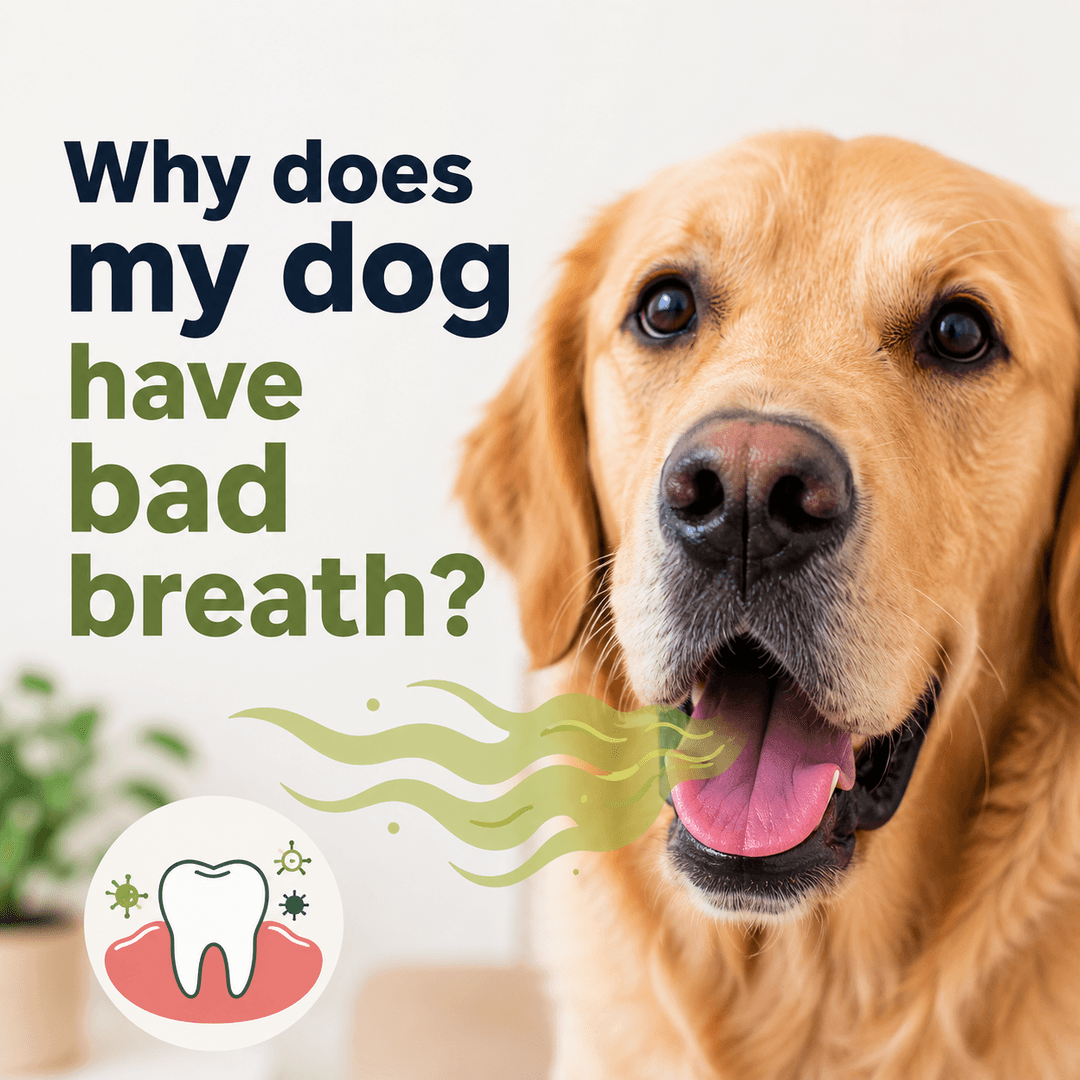
Many pet owners notice their dog’s or cat’s breath becoming unpleasant over time and simply assume it is normal. While pets may not have minty-fresh breath, persistent bad breath is often an early warning sign that something is wrong inside the mouth.
In fact, dental disease is one of the most common health problems seen in veterinary practice. Studies suggest that more than 80% of dogs and 70% of cats develop some degree of dental disease by the age of three years. Unfortunately, because pets cannot tell us when their mouths are painful, dental problems often go unnoticed until they become advanced.
What Causes Bad Breath?
The most common cause of bad breath is the accumulation of plaque and tartar on the teeth.
After a meal, bacteria naturally attach to the tooth surface and form a sticky layer known as plaque. If plaque is not removed through brushing or chewing, it gradually hardens into tartar. The rough surface of tartar attracts even more bacteria, leading to inflammation of the gums and eventually periodontal disease.
Other causes of bad breath may include:
- Gingivitis (gum inflammation)
- Periodontal disease
- Tooth root abscesses
- Broken teeth
- Oral ulcers
- Oral tumours
- Foreign material trapped in the mouth
- Kidney disease
- Diabetes mellitus
In some cats with kidney disease, owners may notice a strong ammonia-like smell from the mouth. Therefore, bad breath should never be dismissed as simply a cosmetic issue.
Signs That Your Pet May Have Dental Disease
Bad breath is usually only the first symptom. Owners should also watch for:
- Yellow or brown tartar on the teeth
- Red or swollen gums
- Bleeding from the mouth
- Difficulty chewing
- Dropping food while eating
- Preference for softer food
- Excessive drooling
- Pawing at the mouth
- Facial swelling
- Reduced appetite
- Weight loss
Interestingly, many pets continue eating despite significant dental pain. This survival instinct often causes owners to underestimate the severity of the problem.
Why Is Dental Disease Important?
Dental disease is not just a problem affecting the mouth.
As periodontal disease progresses, bacteria can enter the bloodstream and travel to other organs. Research suggests chronic dental infections may contribute to inflammation affecting the heart, liver, and kidneys.
The most immediate concern, however, is pain.
Imagine living with a persistent toothache every day without being able to tell anyone. Many pets suffer silently for months or even years before treatment is sought.
After receiving dental treatment, owners commonly report that their pets become more active, playful, and happier. This often reflects relief from chronic oral discomfort that had previously gone unnoticed.
How Is Dental Disease Diagnosed?
During a veterinary examination, your veterinarian will assess the teeth, gums, and oral cavity.
However, much of dental disease occurs below the gum line where it cannot be seen with the naked eye. For this reason, dental radiographs (dental X-rays) are often recommended during professional dental procedures to identify hidden problems such as:
- Tooth root infections
- Bone loss
- Resorptive lesions in cats
- Retained tooth roots
- Jaw abnormalities
Early diagnosis allows treatment before serious complications develop.
How Can Dental Disease Be Prevented?
The good news is that dental disease is largely preventable.
Some simple preventive measures include:
Daily Tooth Brushing
Brushing remains the gold standard for maintaining oral health. Even brushing a few times per week can significantly reduce plaque accumulation.
Dental Diets and Chews
Veterinary-approved dental diets and dental chews can help reduce plaque and tartar build-up when used appropriately.
Routine Oral Checks
Take a few moments each month to lift your pet’s lips and inspect the teeth and gums. Early changes are often easier to treat.
Professional Dental Cleaning
Regular veterinary dental scaling and polishing may be recommended depending on your pet’s age, breed, and dental condition.
Small breed dogs such as Poodles, Maltese, Shih Tzus, Yorkshire Terriers, and Pomeranians are particularly prone to dental disease and may benefit from earlier dental assessments.
When Should You See Your Veterinarian?
You should schedule a veterinary examination if your pet has:
- Persistent bad breath
- Red or bleeding gums
- Visible tartar accumulation
- Difficulty eating
- Excessive drooling
- Facial swelling
- Loose or broken teeth
Early intervention often means simpler treatment, less discomfort, and better long-term oral health.
Final Thoughts
Bad breath should never be considered “normal” in dogs or cats. In many cases, it is one of the earliest signs of dental disease and a signal that your pet may be experiencing discomfort.
With regular dental care, routine veterinary examinations, and early treatment when needed, most dental problems can be prevented or managed successfully.
A healthy mouth does more than improve breath—it helps your pet enjoy a happier, healthier, and more comfortable life.